'The Love Hypothesis' Film Review: A Masterclass in Book Adaptation That Serves the Source Material
FILM AND BOOK SPOILERS AHEAD
When you enter a screening room as a devoted fan of a beloved romance novel, you bring along a specific set of high expectations, wants, and needs. Bringing Ali Hazelwood’s global publishing phenomenon The Love Hypothesis to the big screen was never going to be a simple task. As book lovers we KNOW these characters inside and out… we know their micro-expressions, their banter, and the exact beats that made us fall for them in the first place. But as someone who firmly believes that the best adaptations need room to breathe, shine, and offer something fresh, I can confidently say that this film delivers on every front.
To give you an idea of where my head is at: I was lucky enough to have early access to the press screener, and knowing that link was going to expire was quite literally the tragedy of my life. I woke up every single day and played it on repeat until my time ran out. Now that it is officially streaming on Prime Video? If CDs were still a thing, I would have burned through three copies by now. So if that doesn't tell you how happy I am as both a book reader and a die-hard rom-com lover, I don't know what will.
Having the chance to sit down with director Claire Scanlon and producer Elizabeth Cantillon to dissect their creative choices, one thing is abundantly clear… this team understood THE assignment. They crafted an adaptation that honors the core of the original novel while making smart, modern, and deeply satisfying changes for the screen.
Capturing the Beat-for-Beat Magic: From Coffee Dates to Chapter 16
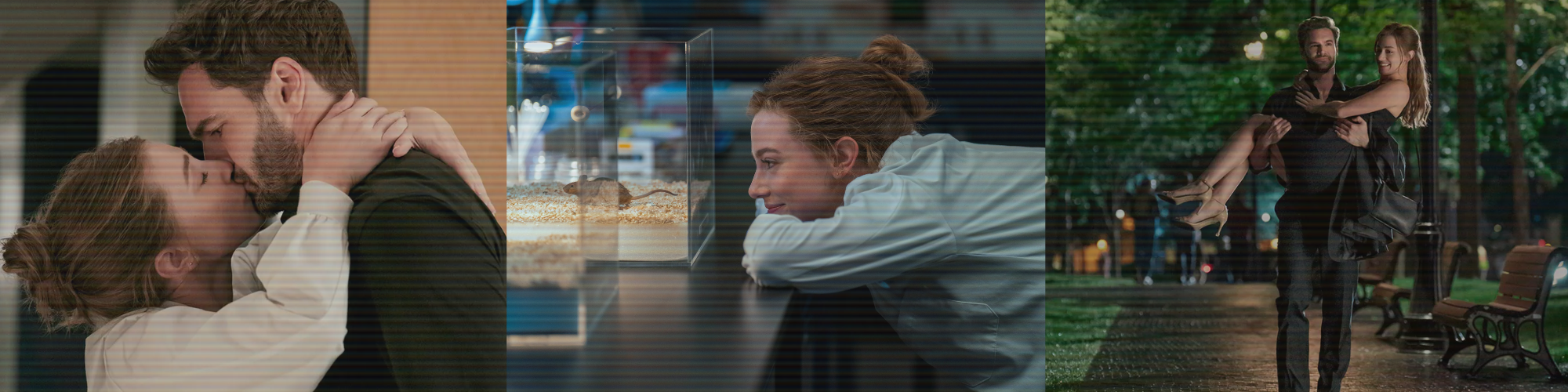
From the moment the opening scene rolls, using the exact prologue that pulled millions into Olive Smith and Adam Carlsen’s universe, Lili Reinhart instantly sells herself as Olive. She captivates immediately, setting a tone that matches the precise energy of reading the book for the first time. Opposite her, Tom Bateman embodies Adam Carlsen with stunning accuracy. Beyond the obvious chemistry, Tom Bateman delivers on the subtle details that truly make Adam Carlsen… Adam Carlsen. During one of their iconic moments, Wednesday coffee dates, as Malcolm and Anh walk into the shop, Adam makes a quick, almost imperceptible adjustment to his hair. It is a tiny, brilliantly acted moment, but for romance fans, it is everything to see.
Then, of course… who would I be to NOT mention the long-awaited Chapter 16!! Come on book girls, we’ve been fed!
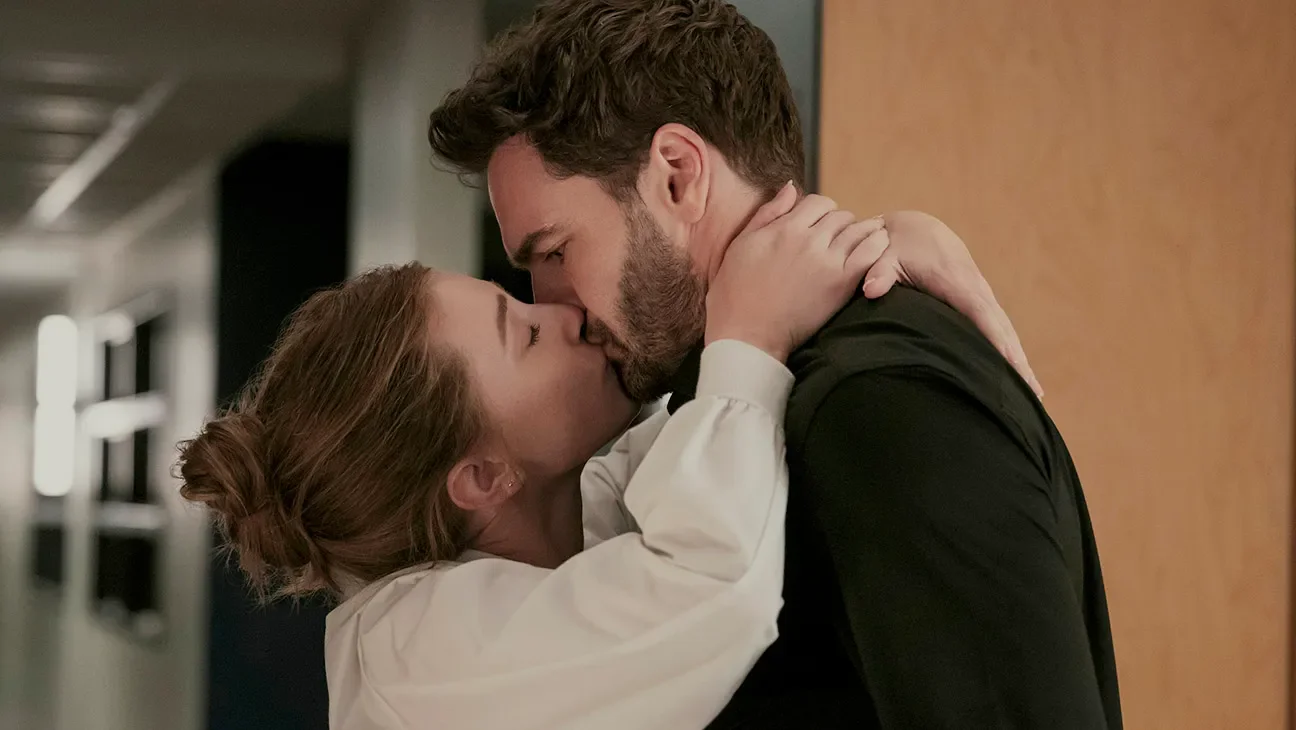
Bringing such an infamous, highly anticipated chapter to life is a massive hurdle, but the film handles it with absolute justice. The scene retains one of the novel’s absolute best quotes: "You're edible, Olive" and "I wish you could see yourself the way that I see you." The intimacy on screen is palpable… filled with a raw, starving desire that feels both electric and deeply earned. While adapted spice scenes in cinema are naturally condensed compared to pages of internal monologue, this moment feels refreshing, unique, and thrilling. Watching a scene you have re-read multiple times come to life so flawlessly is a rare, out-of-body experience for a book lover.
Friendship, Foundation, and Room to Breathe
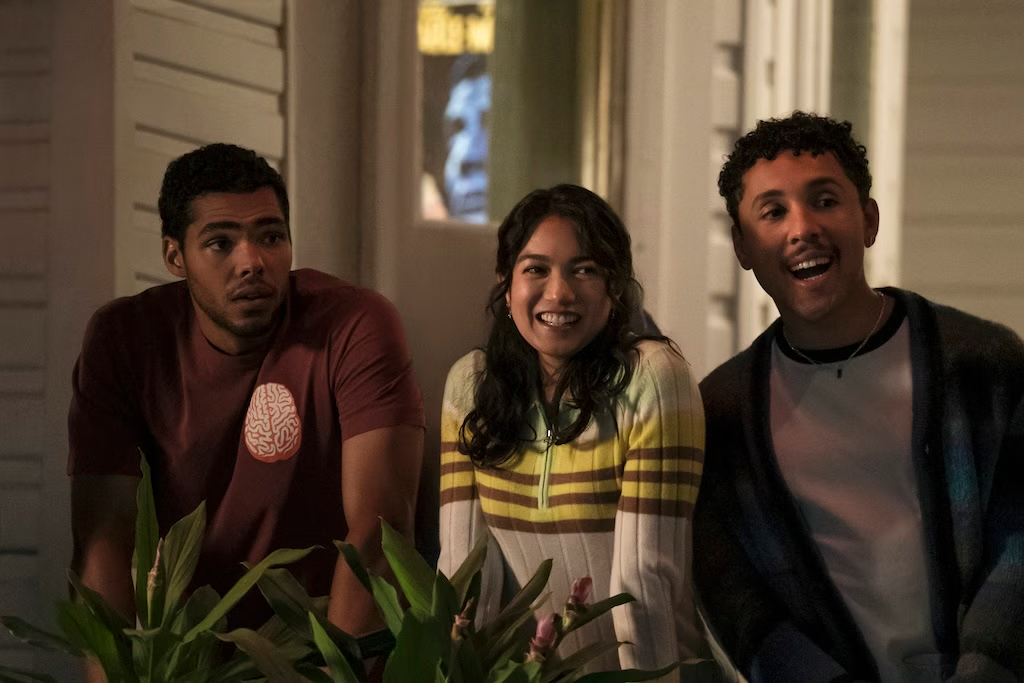
One of the greatest strengths of the film’s pacing is how it allows the supporting cast to truly inhabit the story. Olive is not operating in a vacuum. In the book, she is constantly guided, aided, and abetted by her inner circle, and the film reflects that enthusiastic support system beautifully.
Malcolm and Anh are far more than peripheral side characters… they are an essential part of Olive’s world. Anh, in particular, possesses a vibrant, grounding presence. You can feel her energy and hear her voice on screen in the exact same way she jumped off the page, giving Olive's personal life the weight and warmth it deserves.
Alongside the big emotional highlights, the filmmakers loaded the project with fan-favourite details. From the legendary sunscreen scene to Olive’s book-accurate unicorn socks, the production is PACKED with details that signal a deep reverence for the source material.
A Female-Forward Third Act That Elevates the Story
The most significant distinction from the novel happens in the third act. Typically, major adaptation changes can cause immediate hesitation for readers. Here, however, the departure is not only understandable, but completely empowering.
Following their night of intimacy, Olive is left on read by Adam, pivoting the narrative toward a different resolution path. In my conversation with Scanlon and Cantillon, they shared that their goal was to construct a female-forward ending where Olive is entirely guided by her own agency and choices. It poses the crucial question: "What is Olive Smith going to do for herself?"
Most importantly, the film does not gloss over or erase the reality of sexual harassment that Olive faces. The story highlights the unfortunate, very real struggles women in STEM endure within male-dominated academic spaces. But by adjusting the third act, the narrative allows Olive to tackle the crisis in a way that feels inherently feminine, brave, and deeply empowering.
At the same time, the filmmakers made sure not to strip away the protective, possessive moment readers loved from the book. Adam still gets his iconic confrontation with Tom, delivering the line that made book lovers swoon: "you go near her again, you even think about her, i’m gonna kill you" It hits every required note of high-stakes romantic protection without overshadowing Olive’s personal triumph.
As Claire Scanlon so fittingly noted during our interview, the story started with Olive, and it needed to end with Olive.
The Final Verdict
You will leave this movie feeling giddy, happy, and completely swept off your feet. But beyond the butterflies and the top-tier rom-com beats, there is a real, meaningful story being told here. It delivers an important message not just for women in science, but for women in general: a story about love, self-advocacy, and what it truly means to be your own person while still sharing a life with someone else.
The Love Hypothesis ends exactly where it should… with Olive claiming her space, and with Adam and Olive together. It preserves the heart, the humor, and the emotional resonance of Ali Hazelwood’s world while daring to elevate the narrative structure for a cinematic audience. Lili Reinhart and Tom Bateman are flawless leads whose chemistry carries the film effortlessly. Whether you are a die-hard romance reader who knows every chapter by heart or a newcomer looking for a sharp, joyous, and modern romantic comedy, this film serves up everything you could ask for and more.